
SPECIAL SILICA FIBER
Radiation Hard 50 125 245 Multimode Fiber Specialty Fiber for Harsh Radiation Environments
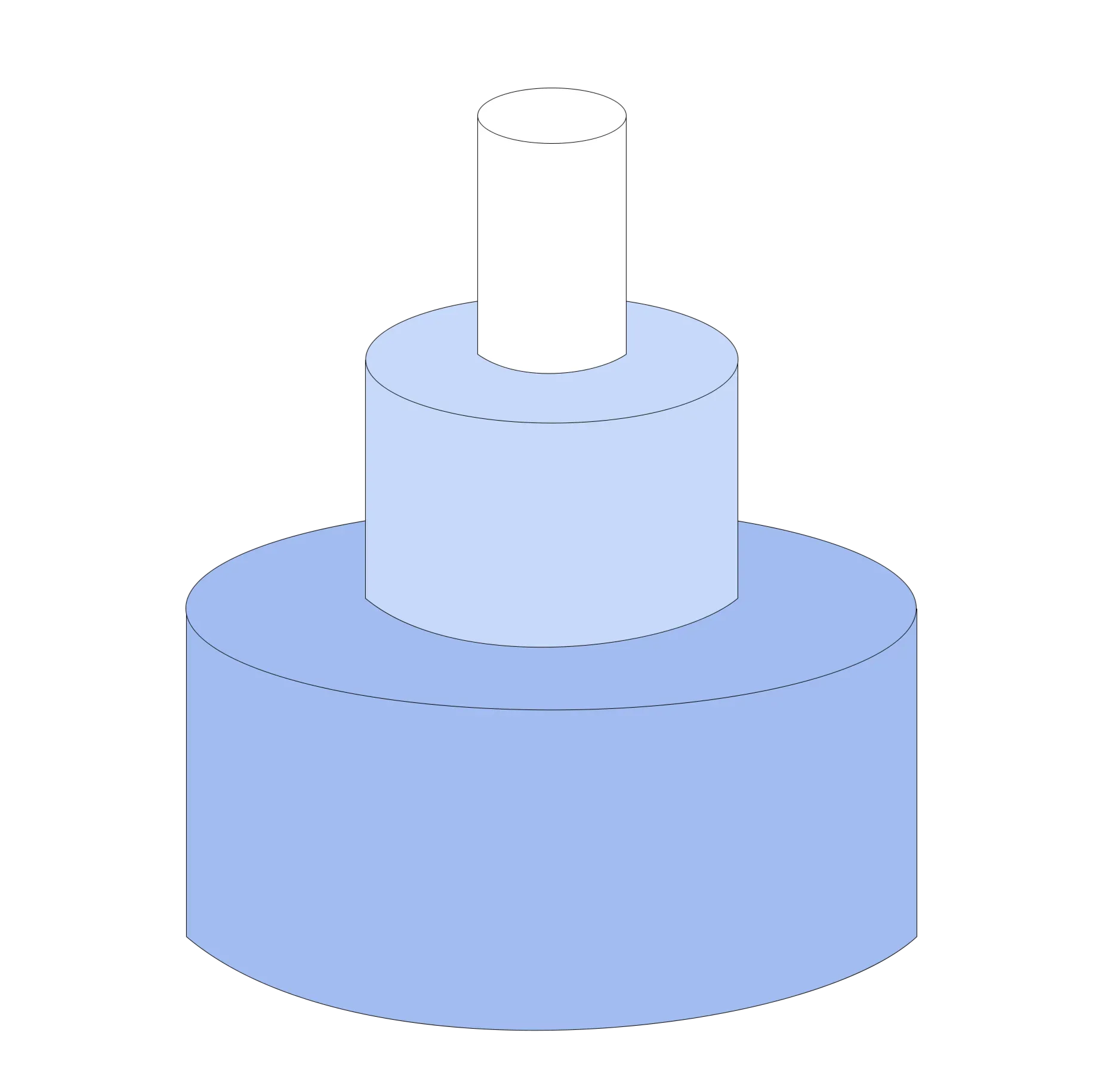
Radiation Hard 50 125 245 Multimode Fiber Specialty Fiber for Harsh Radiation Environments. This radiation-hard multimode fiber uses a nominal 50 micrometer core, 125 micrometer cladding and 245 micrometer coating format. It is designed for optical systems that may be exposed to ionizing radiation, where standard fiber can experience increased attenuation or reduced service life.
Radiation Hard 50 125 245 Multimode Fiber Specialty Fiber for Harsh Radiation Environments
radiation hard fiber, 50 125 245 optical fiber, radiation resistant multimode fiber, nuclear sensing fiber, aerospace optical fiber, harsh environment fiber
PRODUCT INTRODUCTION
This radiation-hard multimode fiber uses a nominal 50 micrometer core, 125 micrometer cladding and 245 micrometer coating format. It is designed for optical systems that may be exposed to ionizing radiation, where standard fiber can experience increased attenuation or reduced service life.
USES
The fiber can be integrated into monitoring, communication, illumination or sensing assemblies for research facilities, nuclear equipment, aerospace platforms and other controlled harsh environments.
PERFORMANCE
Radiation-tolerant glass design and protective coating help preserve useful transmission under the specified exposure conditions. Actual radiation-induced attenuation depends on wavelength, dose, dose rate, temperature, recovery time and fiber length.
KEY FEATURES
- 50/125/245 micrometer multimode construction
- Designed for improved radiation tolerance
- Suitable for custom pigtails, probes and cable assemblies
- Supports sensing and short-reach signal delivery
- Can be specified with application-matched coating and termination
APPLICATION SCENARIOS
- Nuclear research and monitoring
- Particle physics facilities
- Space and aerospace systems
- Radiation test laboratories
- Harsh-environment optical sensing
SUMMARY
A specialty multimode fiber for optical systems operating near radiation sources. Qualification should be based on the actual dose profile, wavelength, environment and complete assembly design.