SPECIAL SILICA FIBER
Fiber-Optic Arc-Flash Protection Sensor Black
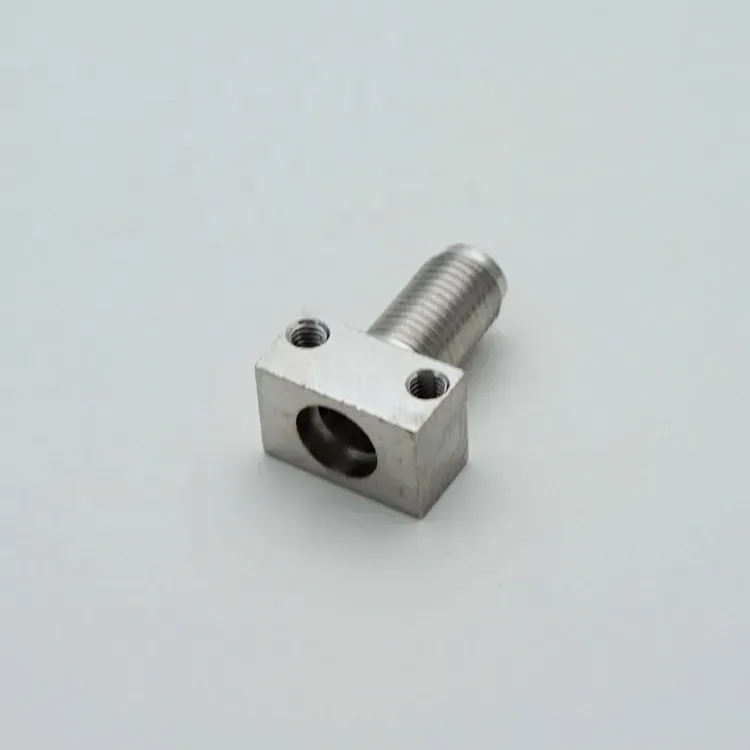
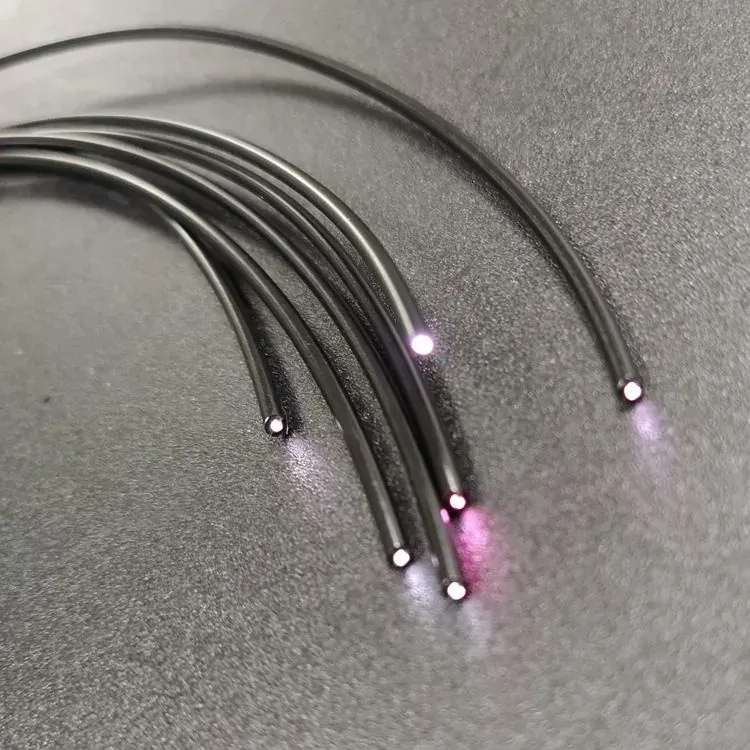
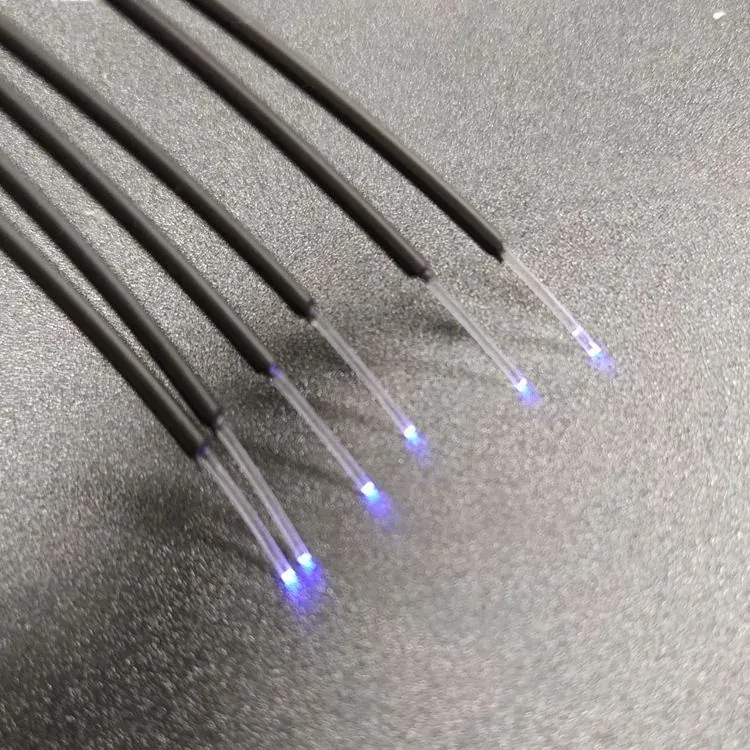
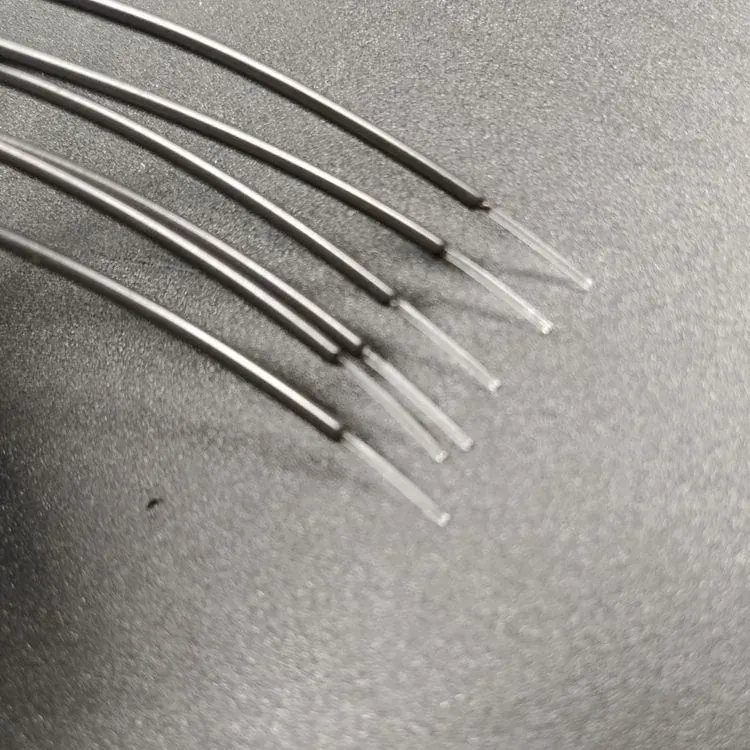
This is a fiber-optic arc-flash protection component — non-conductive light-collecting fiber/probe for millisecond arc detection in low- and medium-voltage switchgear.
Specifications
- Type
- Fiber Optic Cable
- Application
- Sensing,Communication, Transmission signal
- Fiber type
- PMMA fiber optic cable
- Certification
- ISO9001, RoHS, CE
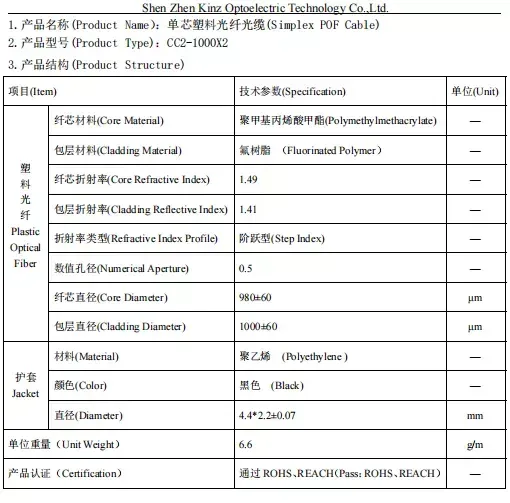
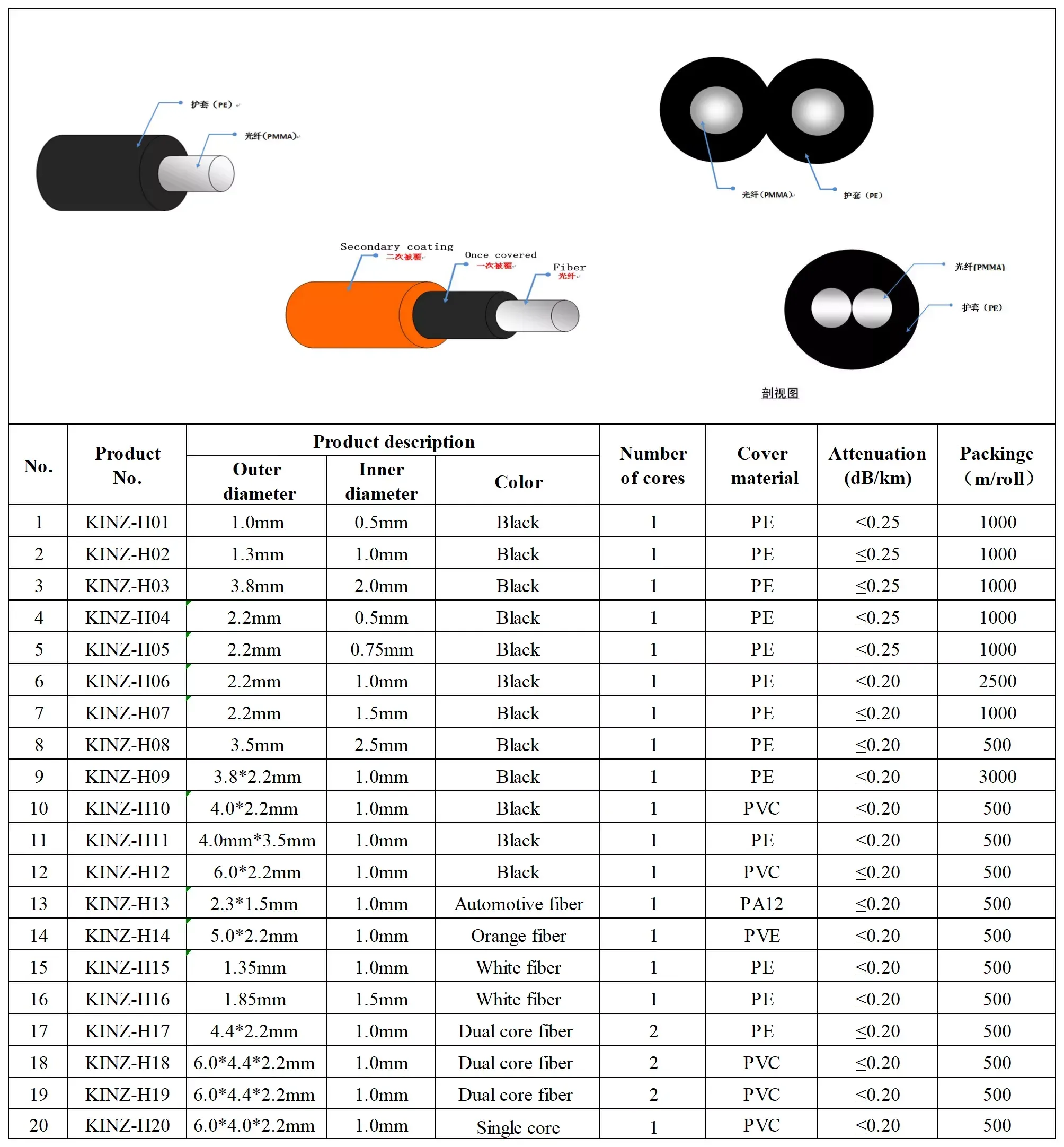
- Core diameter
- 0.75mm
- Outer diameter
- 2.2mm
- Attenuation(dB/KM)
- ≤0.2
- Operating temperature
- -55~80Degree
- IP rating
- IP68
- Outer material
- PE
- Core Material
- pmma
Fiber-Optic Arc-Flash Protection Sensor Black
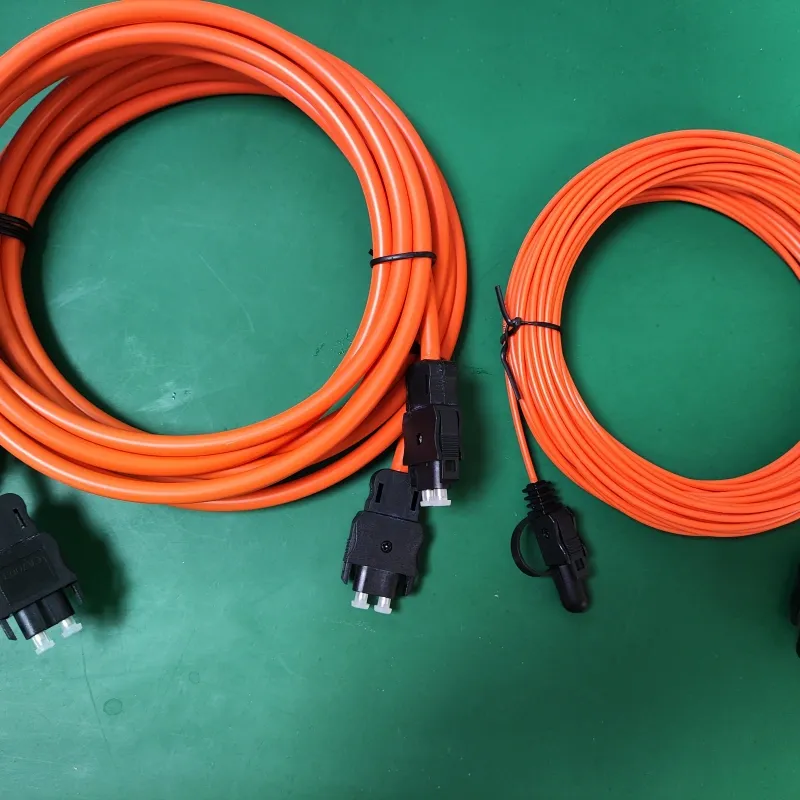
This is a JINSHANG TECH optical sensing element for arc-flash relays, transmitting arc light from within a panel to a fast-acting protection unit.
Because the optical path is non-conductive, the unit provides electrical isolation between connected equipment and can be routed past motors, drives and power wiring without picking up noise.
Key Characteristics
- Attenuation rated at ≤0.2 over the operating wavelength
- Operating temperature range: -55~80Degree
- IP68 ingress protection for damp or wash-down environments
- Certified to ISO9001, RoHS, CE
- Outer jacket: 2.2mm
- Core/fiber material: 0.75mm
- Point or loop coverage for complete compartment monitoring
- Light-speed detection of arc flash using the flash's own optical signature
Typical Applications
The unit is commonly used for arc-flash detection in low- and medium-voltage switchgear, retrofit arc-light sensing for motor control centers and panels, and fiber probes paired with arc-protection relays and inductors. The result is a reliable, repeatable build that tolerates the routing, vibration and repeated handling typical of production installations.
Frequently Asked Questions
Q: Why use fiber rather than an electrical sensor? A: The fiber is non-conductive and immune to EMI, so it can be placed deep within high-voltage compartments without adding an electrical ignition path.
Q: How does fiber-optic arc-flash detection work? A: A light-collecting fiber or probe inside the panel captures the flash of an arc and sends it to a relay, which trips the breaker in milliseconds — far faster than overcurrent detection alone.
Q: Where is it installed? A: Point sensors cover likely fault locations, while loop fiber spans a whole compartment, chosen by the switchgear layout.
Q: What components are needed? A: The sensing fiber/probe is paired with an arc-protection relay, current-confirmation units and an inductor/trip system as specified by the protection design.
See the BH Cables assembly range for rugged installations at www.bhcables.com.