SPECIAL SILICA FIBER
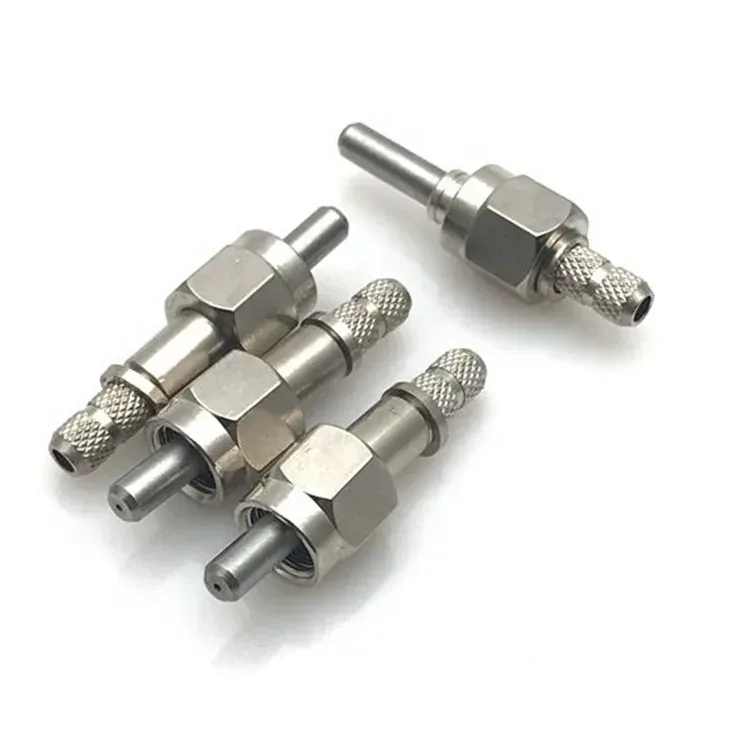
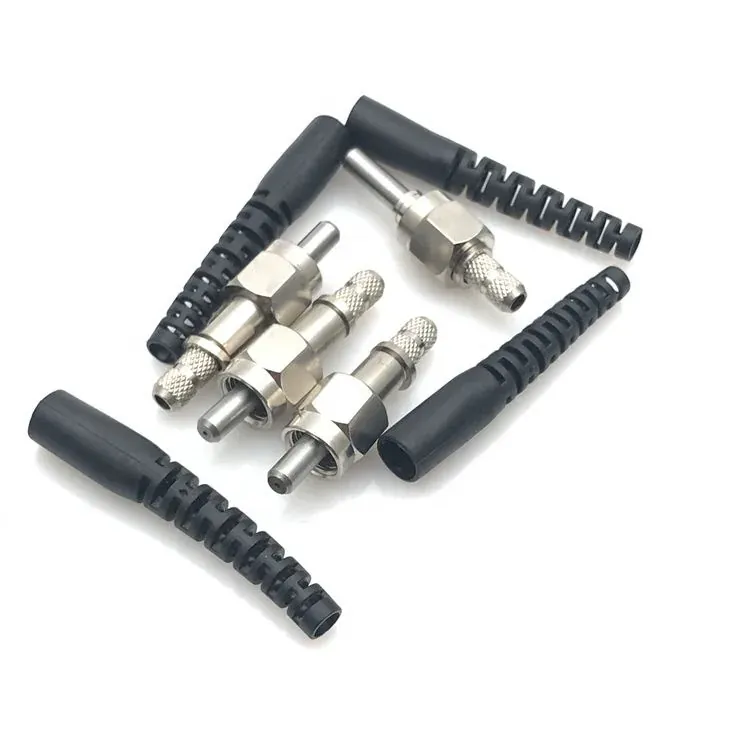
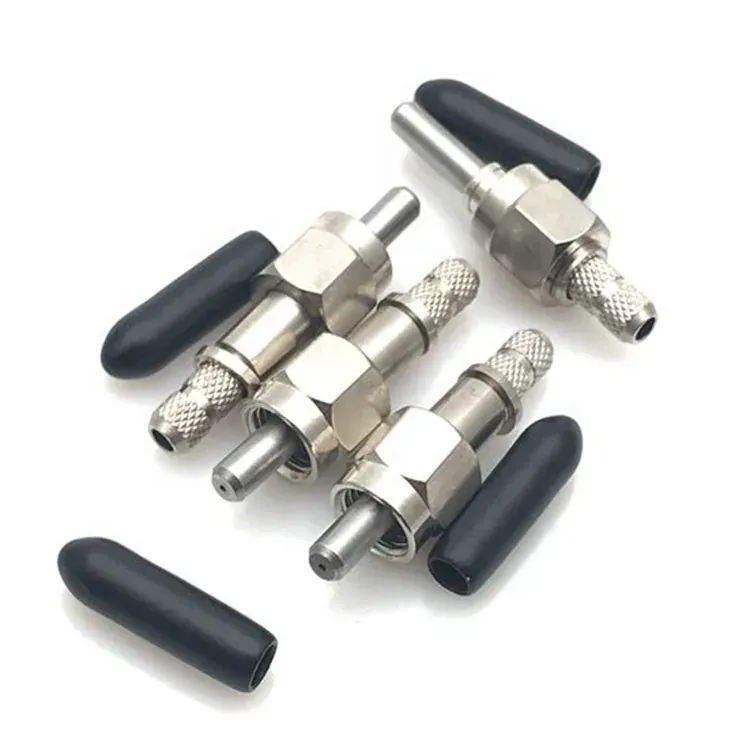
ST Fiber-Optic Arc-Flash Protection Sensor
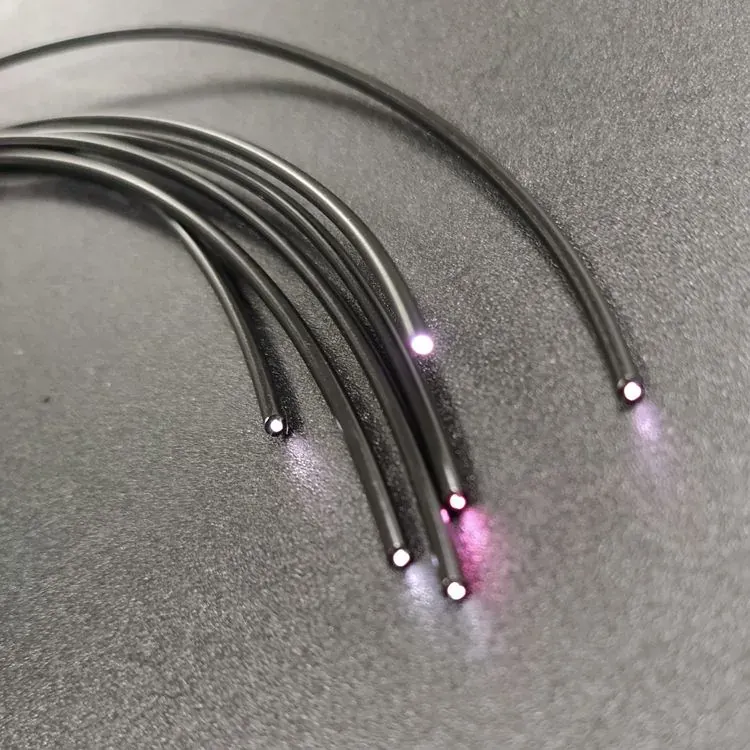
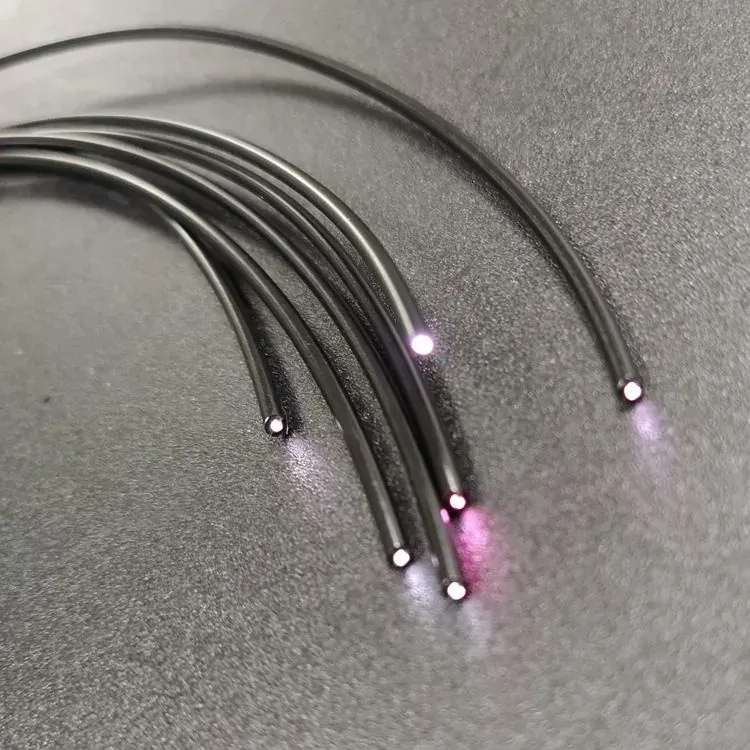
This is a fiber-optic arc-flash protection component — non-conductive light-collecting fiber/probe for millisecond arc detection in low- and medium-voltage switchgear.
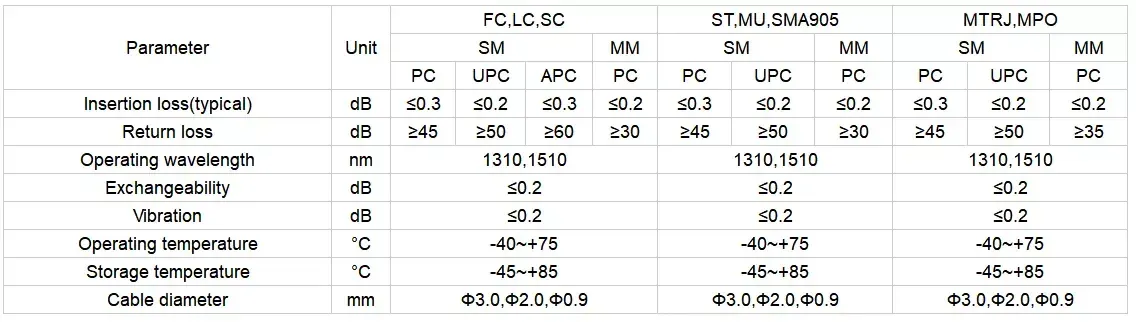
Specifications
- Type
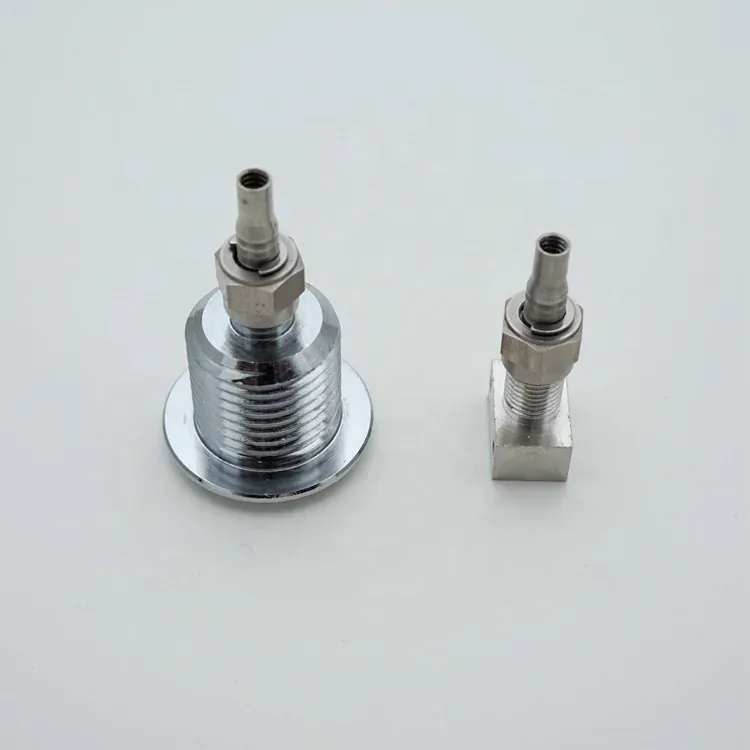
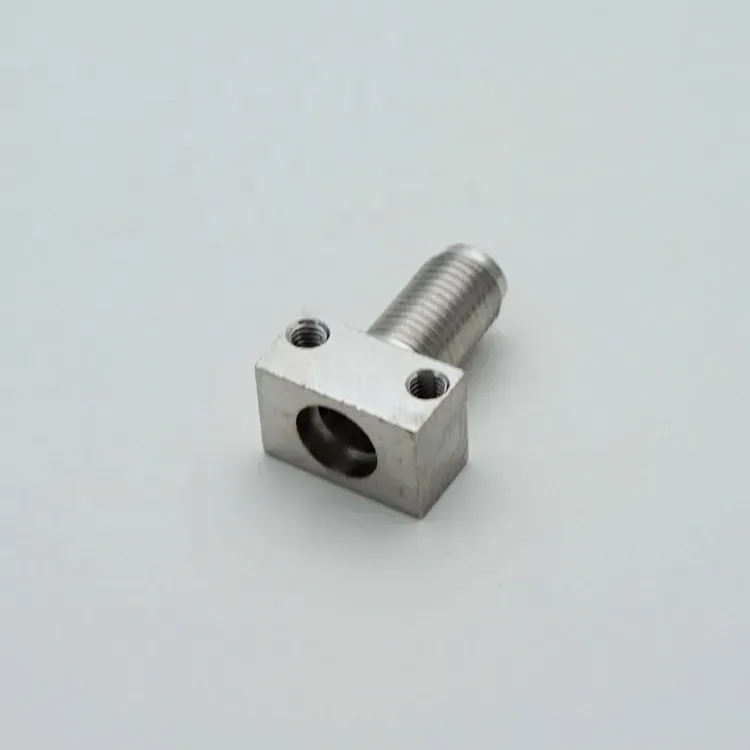
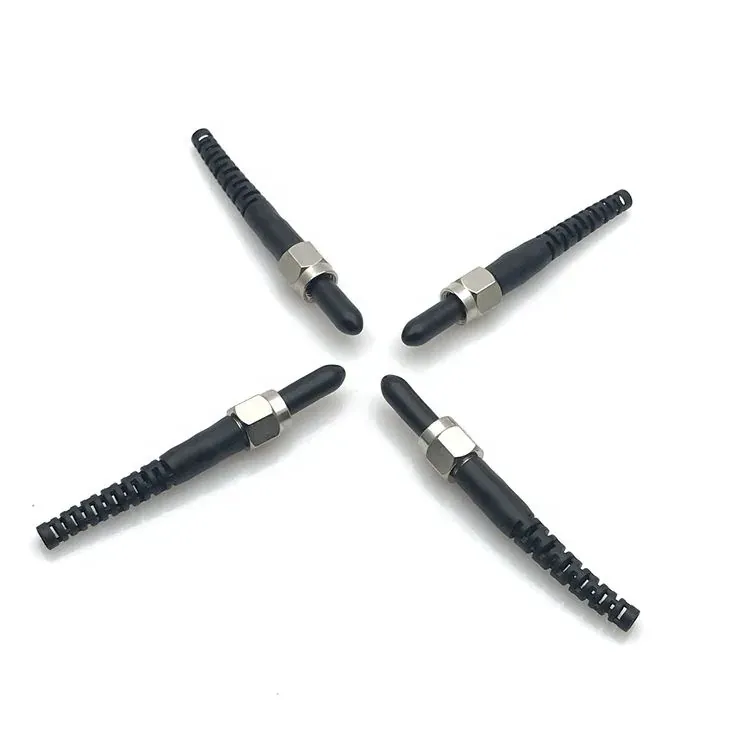
- fiber optic connector, Terminal Connectors
- Certifaction
- ISO9001,ROHS,CE
- fiber type
- SM,MM
- connector Type
- SMA905
- Ferrule material
- Ceramic
- Hole diameter
- 1.50mm
ST Fiber-Optic Arc-Flash Protection Sensor
This is a JINSHANG TECH optical sensing element for arc-flash relays, transmitting arc light from within a panel to a fast-acting protection unit.
Manufactured for production use rather than as a one-off sample, the unit is built to a stable fiber specification so orders can be repeated with consistent dimensions and performance.
Key Characteristics
- Fiber diameter: 1.50mm
- Connector/interface: SMA905
- Certified to ISO9001,ROHS,CE
- Point or loop coverage for complete compartment monitoring
- Light-speed detection of arc flash using the flash's own optical signature
- Non-conductive sensing fiber safe to route among busbars and breakers
- Engineered to support millisecond-class relay tripping
- Immune to electrical noise inside high-voltage switchgear panels
Typical Applications
The unit is commonly used for arc-flash detection in low- and medium-voltage switchgear, retrofit arc-light sensing for motor control centers and panels, and fiber probes paired with arc-protection relays and inductors. The result is a reliable, repeatable build that tolerates the routing, vibration and repeated handling typical of production installations.
Frequently Asked Questions
Q: Why use fiber rather than an electrical sensor? A: The fiber is non-conductive and immune to EMI, so it can be placed deep within high-voltage compartments without adding an electrical ignition path.
Q: How does fiber-optic arc-flash detection work? A: A light-collecting fiber or probe inside the panel captures the flash of an arc and sends it to a relay, which trips the breaker in milliseconds — far faster than overcurrent detection alone.
Q: Where is it installed? A: Point sensors cover likely fault locations, while loop fiber spans a whole compartment, chosen by the switchgear layout.
Q: What components are needed? A: The sensing fiber/probe is paired with an arc-protection relay, current-confirmation units and an inductor/trip system as specified by the protection design.
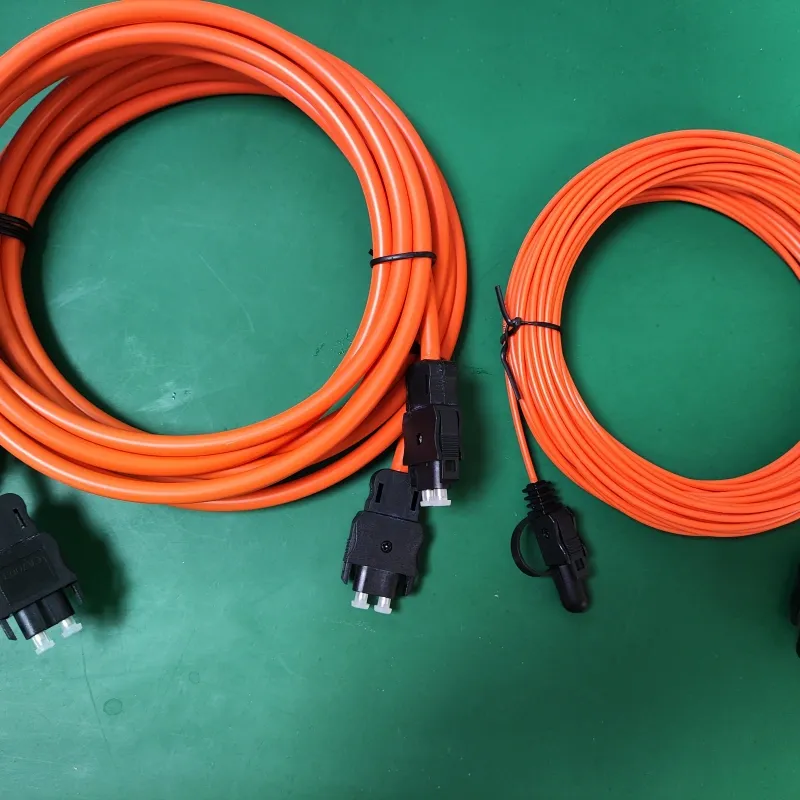
For the matching Versatile Link and HFBR assemblies, visit the FEV Electronics fiber catalog at www.fevelectronics.com.