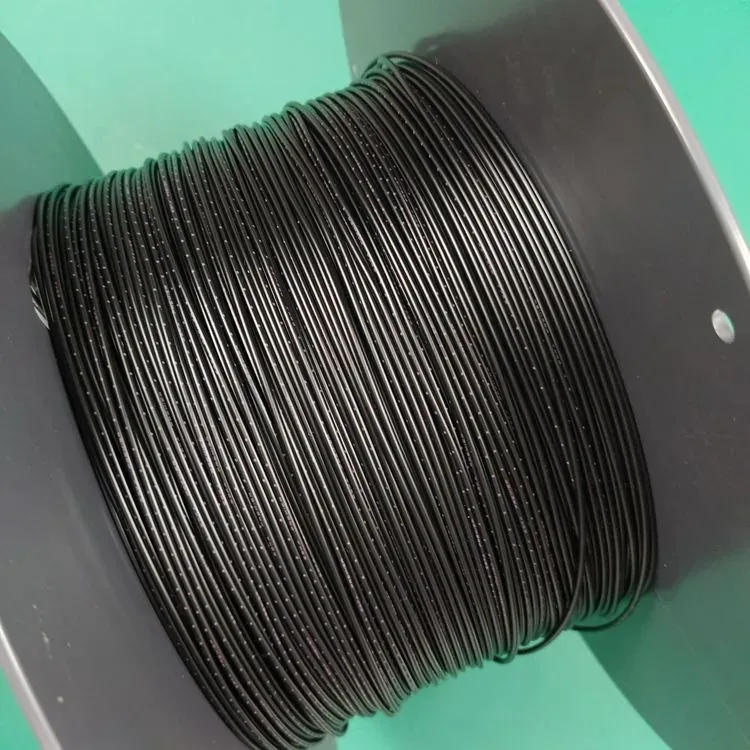
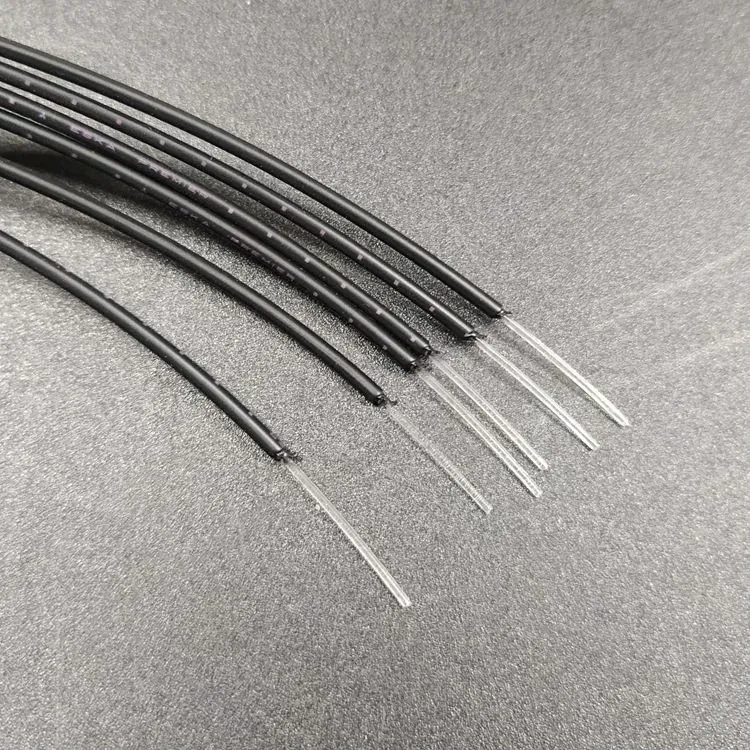
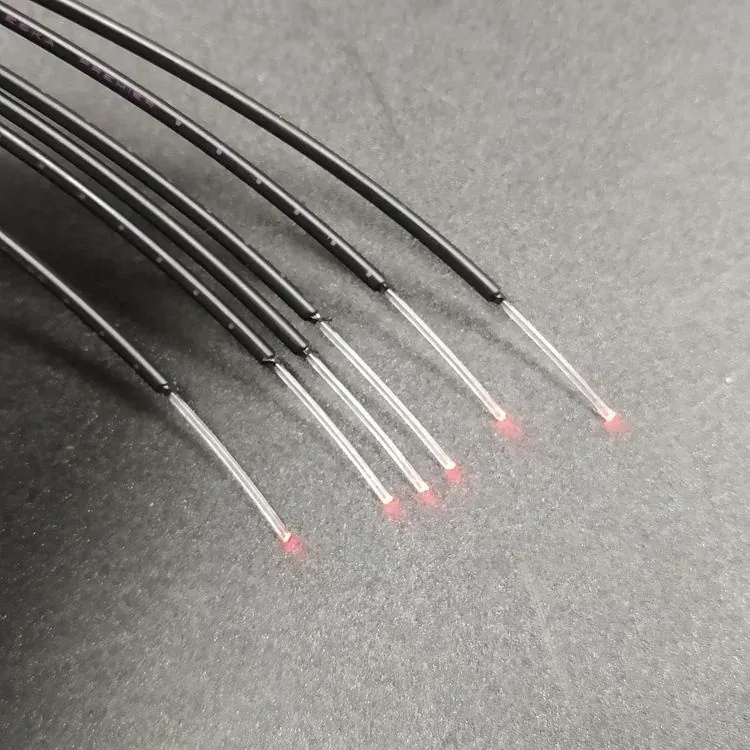
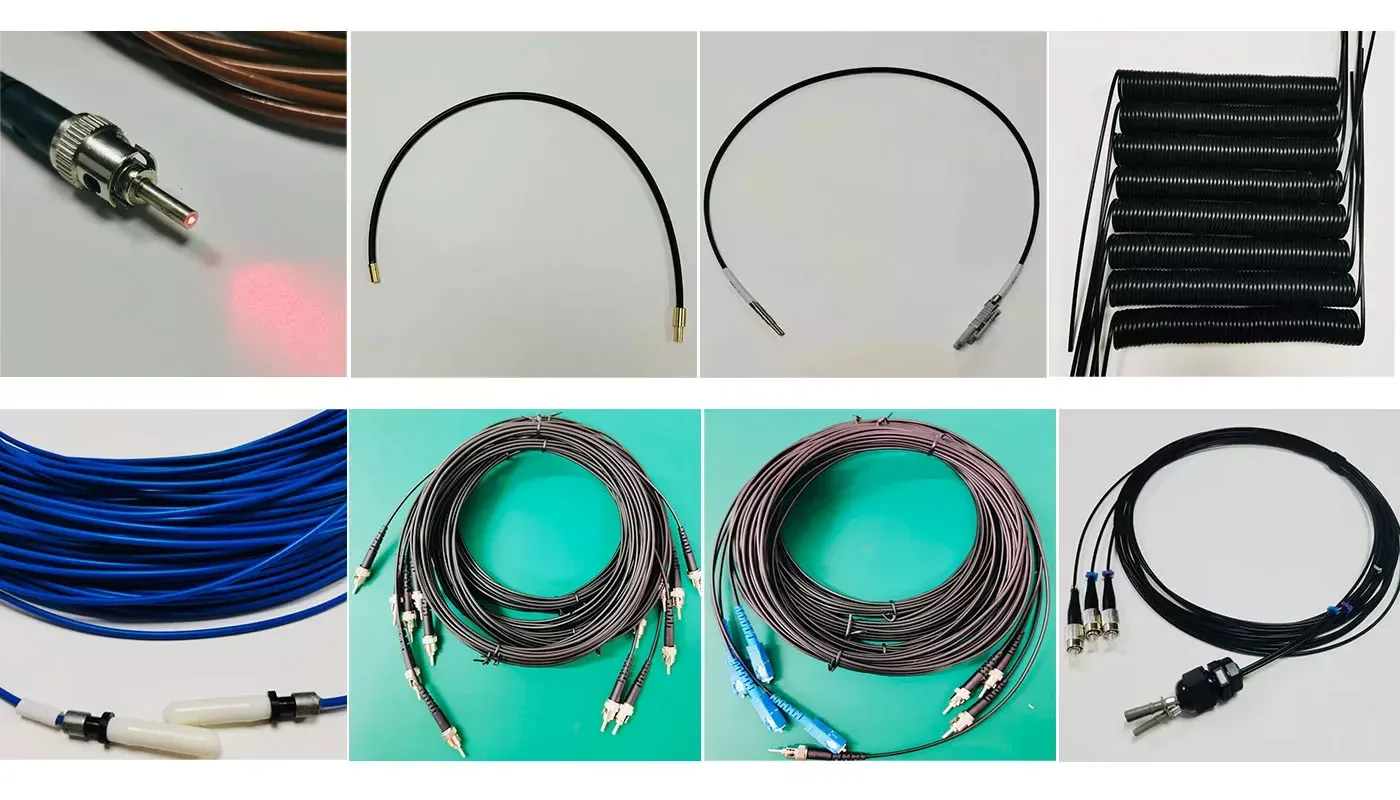
POF CABLE
SH1009-1.25 Mitsubishi ESKA PMMA Plastic Optical Fiber for Sensing
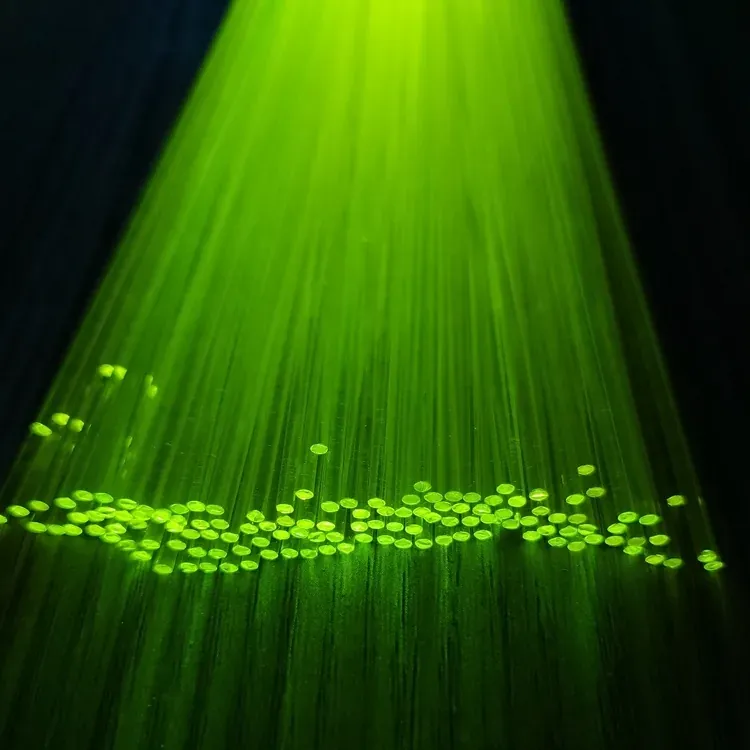
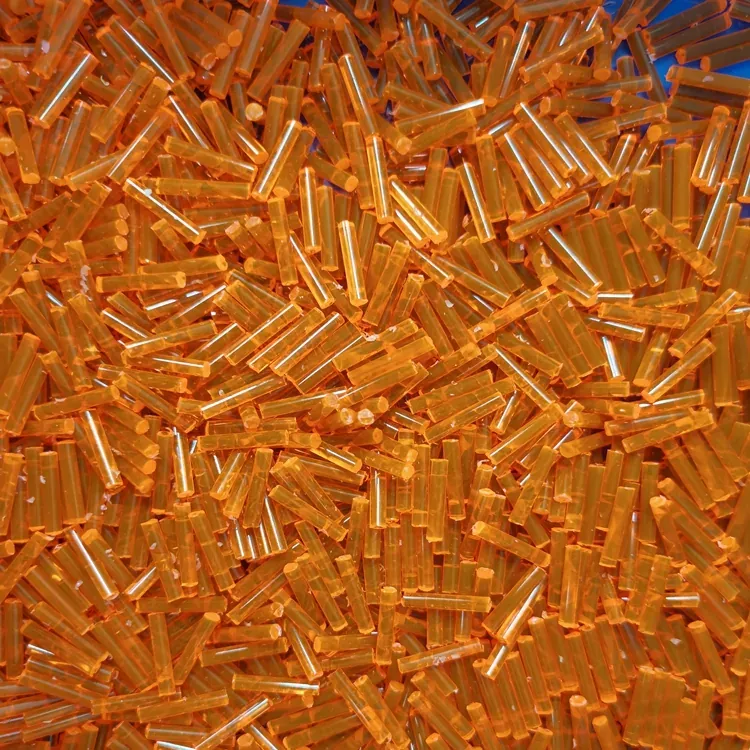
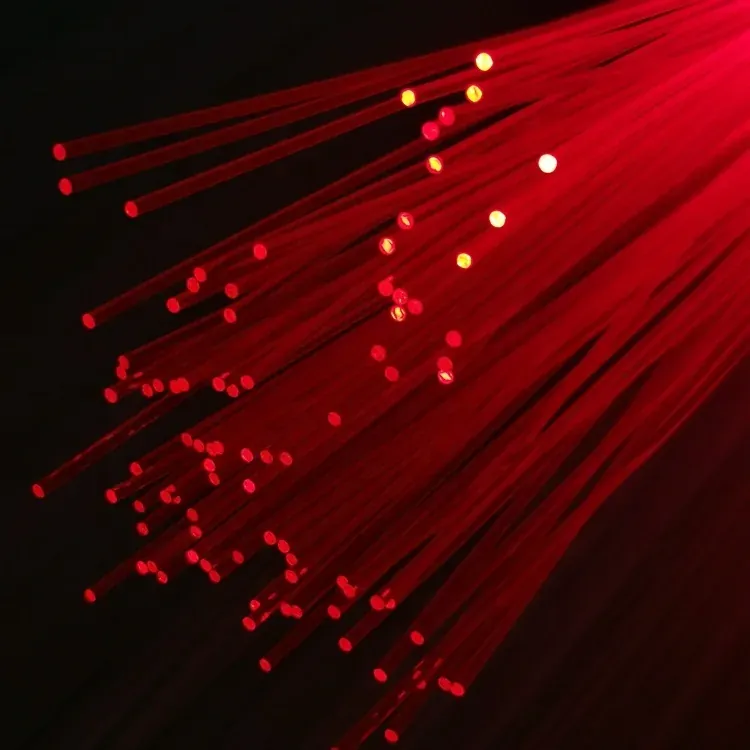
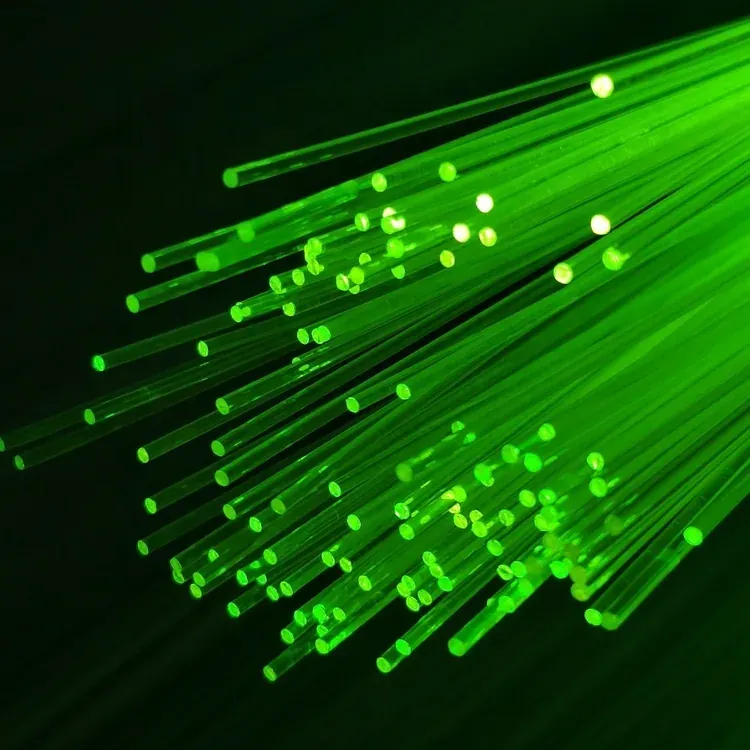
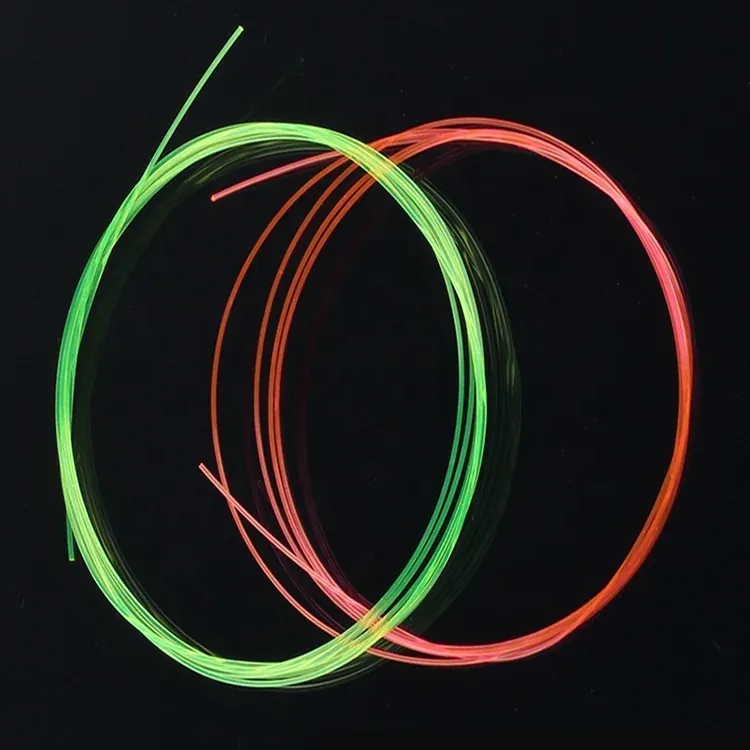
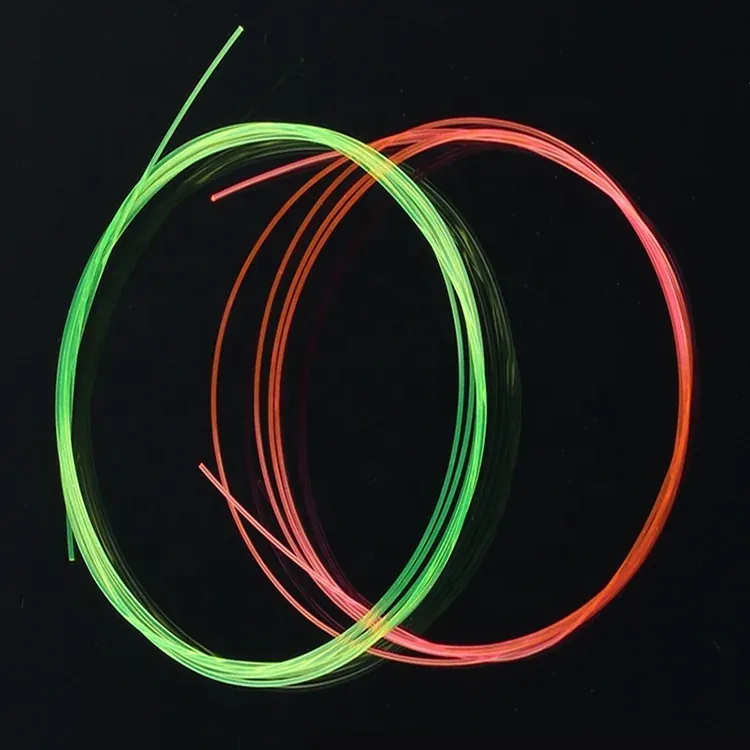
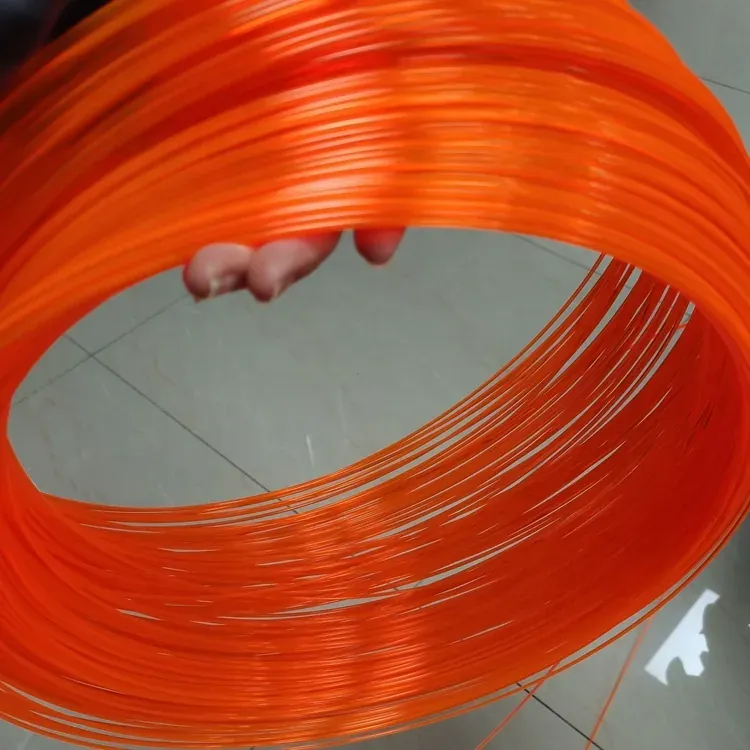
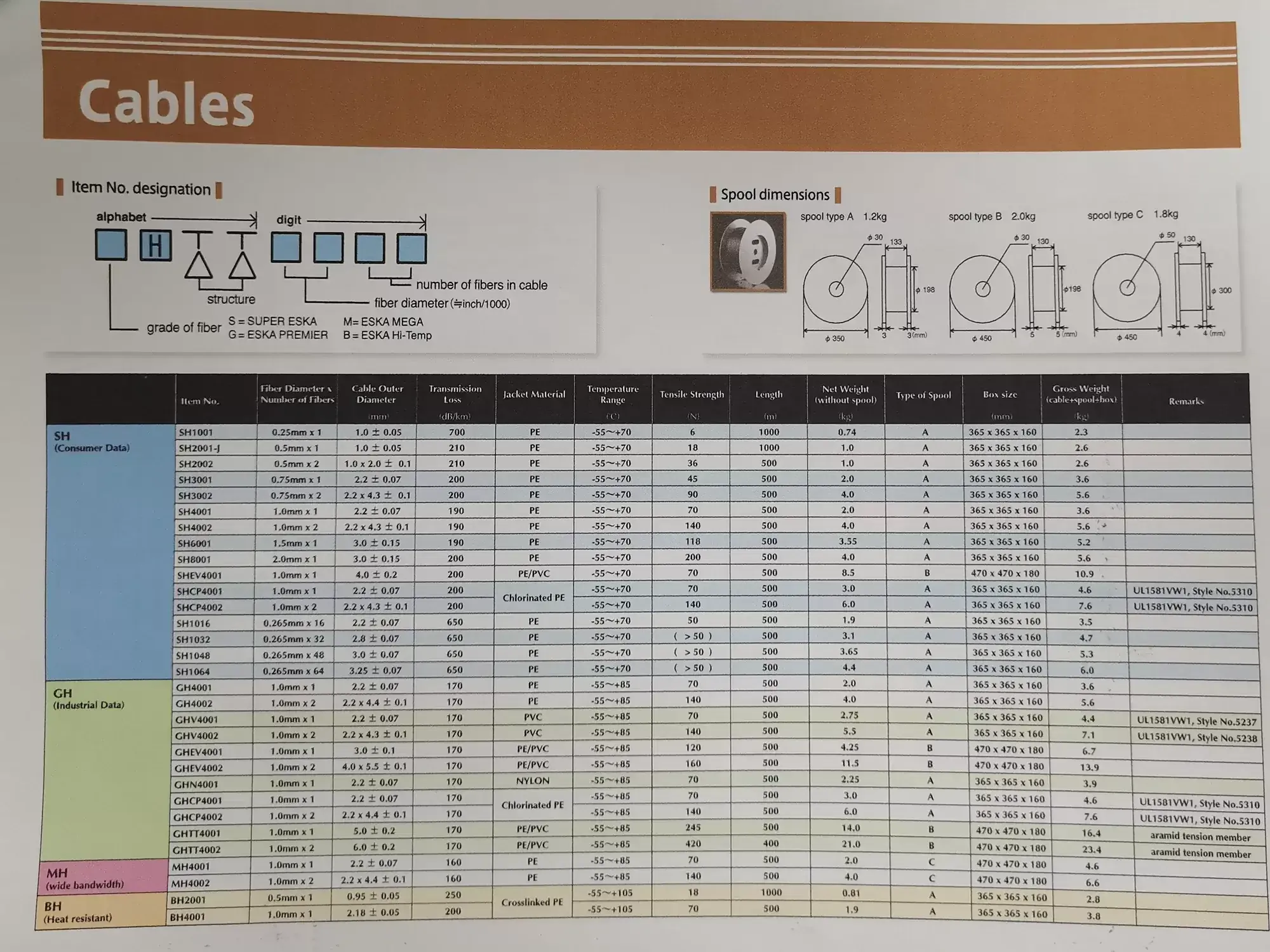
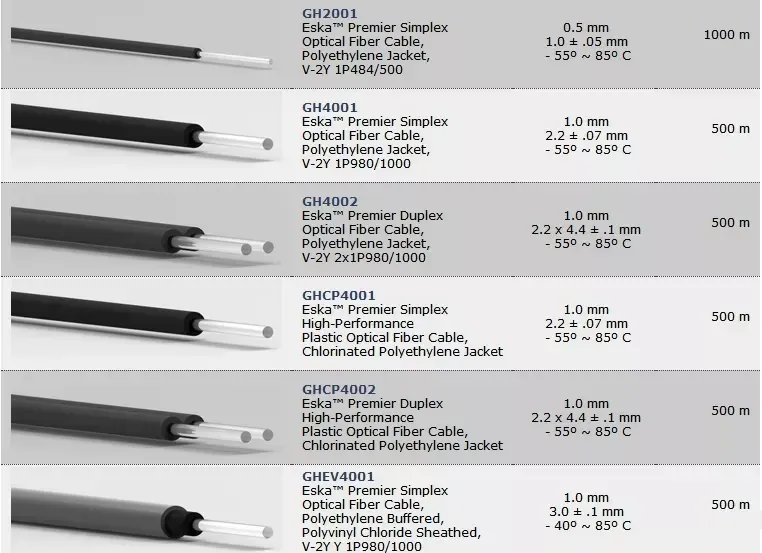
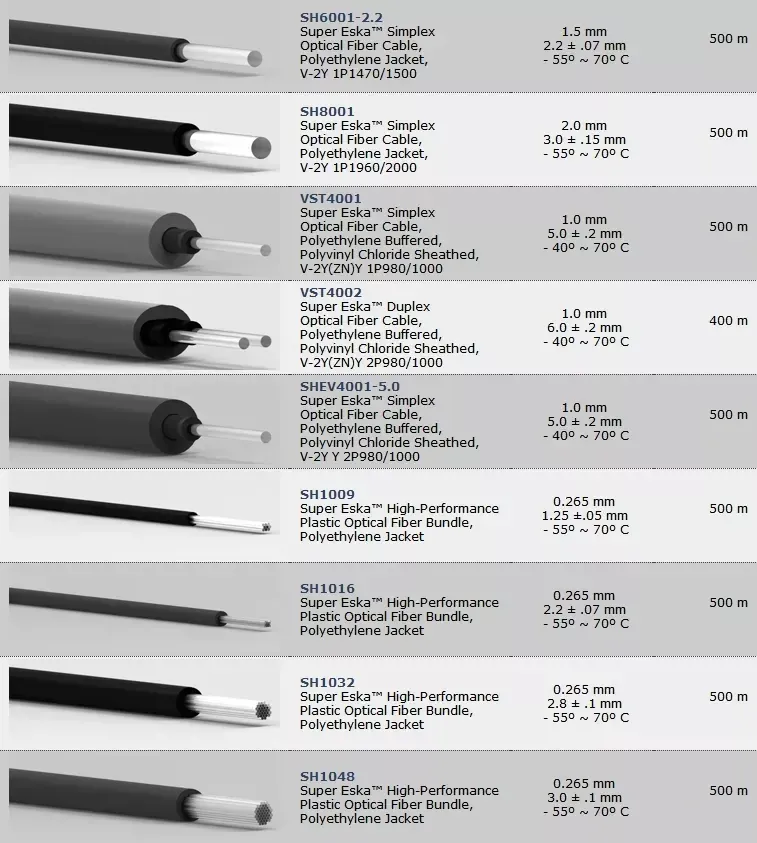
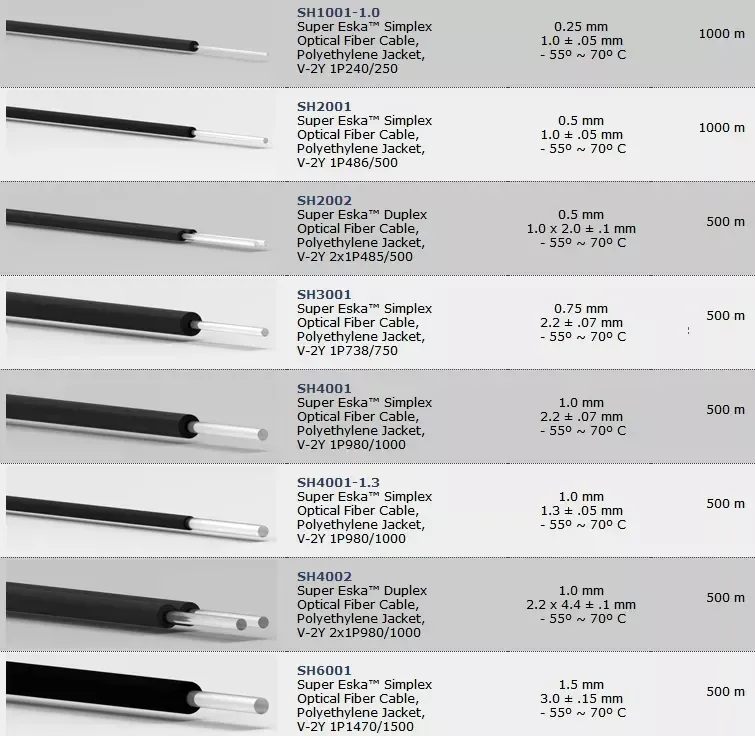
SH1009-1.25 SH1016 SH1032 sensor-grade PMMA plastic optical fiber for passive, EMI-immune optical sensing. Flexible light guide for presence, position and probe assemblies.
Specifications
- Type
- Fiber Optic Cable
- Application
- Illumination, Sensors, Short-Distance Data Transfer
- Fiber type
- SH Grade Bundle Cable
- Certification
- ISO9001, RoHS, CE
- Core diameter
- 9,16,32cores
- Outer diameter
- 2.2*4.4mm
- Operating temperature
- -55~80Degree
- IP rating
- IP68
- Core Material
- pmma
- Cladding Material
- Fluorinated Polymer
SH1009-1.25 Mitsubishi ESKA PMMA Plastic Optical Fiber for Sensing
The SH1009-1.25 SH1016 SH1032 sensing fiber from Mitsubishi is a flexible polymer light guide used to build presence, position, level and through-beam optical sensors.
Manufactured for production use rather than as a one-off sample, the SH1009-1.25 SH1016 SH1032 is built to a stable fiber specification so orders can be repeated with consistent dimensions and performance.
Key Characteristics
- Fiber diameter: 9,16,32cores
- Operating temperature range: -55~80Degree
- IP68 ingress protection for damp or wash-down environments
- Certified to ISO9001, RoHS, CE
- Outer jacket: 2.2*4.4mm
- Core/fiber material: 9,16,32cores
- Passive sensing tip — no electronics or voltage required at the measurement point
- Immune to EMI and safe around high-voltage and high-noise machinery
Typical Applications
The SH1009-1.25 SH1016 SH1032 is commonly used for through-beam and reflective presence/position sensors in machines. The result is a reliable, repeatable build that tolerates the routing, vibration and repeated handling typical of production installations.
Frequently Asked Questions
Q: What affects sensing range? A: Fiber diameter, bend radius, head geometry and the amplifier's optical power set the detection distance; larger cores generally collect more light.
Q: Is it affected by motor noise? A: No. Because the signal is light, EMI and RFI from motors, contactors and inverters do not couple into the fiber.
Q: How is POF used in a sensor? A: Light is launched through the fiber to a sensing head; the returned or interrupted light is measured by a remote amplifier, keeping electronics away from the target.
Q: Can the sensing end be placed near high voltage? A: The fiber is non-conductive, so the sensing tip carries no electrical potential and is safe in high-voltage areas when the amplifier is mounted remotely.
See the BH Cables assembly range for rugged installations at www.bhcables.com.